
Peter Balakian: The Poet Who Refused to Let a Genocide Be Forgotten
Peter Balakian isn’t just a poet—he’s someone who turned his family’s hidden history into powerful stories that people all over the world read today.
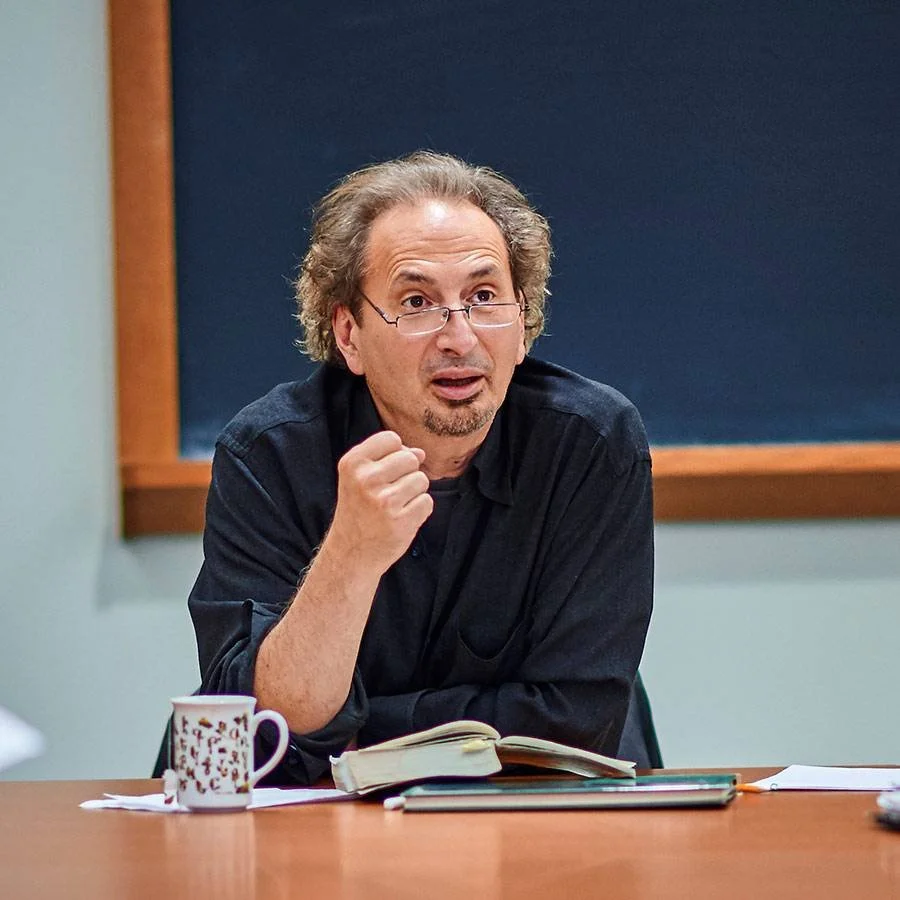
He’s been teaching English at Colgate University in New York since 1980, but his life story goes way beyond the classroom. He comes from a seriously impressive family. His relatives included writers, critics, doctors, and even a bishop. Two of his aunts, Nona and Anna Balakian, were well-known in the literary world—one worked for The New York Times Book Review, and the other was a professor at NYU. Basically, storytelling and ideas run in his DNA.
His moment of truth
But growing up, there was something big missing from his family story.
As a kid, Peter heard bits and pieces about his grandmother’s past, but no one would fully explain it. When he asked about Armenia, he was told it was just some “ancient place” that didn’t really exist anymore. It wasn’t until his mid-20s that he finally uncovered the truth.
After reading Ambassador Morgenthau’s Story, he learned about the Armenian Genocide—a tragic event during World War I where over a million Armenians were killed. Even more shocking, his own grandmother had survived it, including a brutal forced march through the Syrian desert.
Imagine discovering something like that about your own family.
That moment changed everything for him.
He begins to tell his family’s history
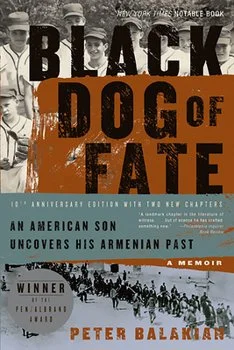
In 1997, he wrote Black Dog of Fate, a memoir about uncovering his family’s past and coming to terms with it. Later, he wrote The Burning Tigris, which became a New York Times bestseller and won a major award. This book doesn’t just tell history—it shows how Americans stepped up back then to help Armenians, launching one of the first international human rights efforts in U.S. history.
But Peter didn’t just write history—he turned it into art.
Peter’s poetry
His poetry often explores memory, trauma, and how the past still affects us today. In fact, he once said that poetry has the power to make history feel alive and relevant. In 2016, he won the Pulitzer Prize for his poetry collection Ozone Journal.
Today, he’s considered one of the most important Armenian writers in English.
What makes his work stand out is that he doesn’t ignore the painful parts of history—he faces them head-on. For decades, he has spoken out against denial of the Armenian Genocide and pushed for people, especially governments, to acknowledge the truth. He’s even argued that this genocide became a model for later ones, including the Holocaust.
He continues to tell the world the history of the Armenians
Beyond writing, he’s appeared on major shows like 60 Minutes and PBS NewsHour, helping bring these stories to a wider audience. In one powerful segment, he traveled to the Syrian desert to search for remains of genocide victims.
His work has reached people across the world, translated into multiple languages.
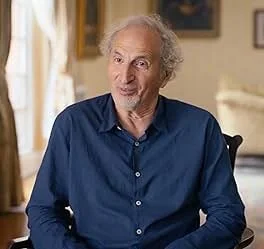
Even now, he’s still creating. His 2025 poetry collection, New York Trilogy, connects major global events—like Hiroshima and the Vietnam War—with life in New York City, showing how history and everyday life are more connected than we think.
Why Should You Care?
Peter Balakian’s story is a reminder that history isn’t just something in textbooks—it can live inside families, sometimes hidden for generations. And when people finally uncover the truth, it can change how they see the world.
His work challenges us to ask questions, learn the full story, and speak up—even when it’s uncomfortable.
Because understanding the past is one of the best ways to shape a better future.
Peter Balakian, a Remarkable Armenian